





Average GPU Temp While Gaming: What's Normal, What's Not, and What to Do
You see 80-90C in the overlay and wonder if your GPU is on the edge. The short answer: it depends on the device, the workload, and whether that number is a steady average, a brief spike, or a hotspot. Let's separate what's normal from what's risky - and give you a clear path to diagnose and fix heat issues.
Average vs Peak vs Hotspot: Three Numbers, Three Stories
"Average GPU temp" usually refers to the steady core temperature during a sustained gaming session. "Peak" is the highest value you hit in a short burst. "Hotspot" is the hottest point on the die and is often higher than the core.
Why this matters: a brief spike or hotspot that looks scary can still be normal if your average core temp is stable. If all three are elevated for a long time, you're closer to thermal throttling.
Analysis: Different monitoring tools label sensors differently (core, hotspot, junction, memory), so verify what the tool is actually reporting before you compare numbers.
Core vs Hotspot vs Memory: What You're Actually Reading
Many modern GPUs expose multiple thermal readings. Core temperature represents the general die area; hotspot or junction temperature is the hottest point on the die; and memory temperature reflects the VRAM modules, which can heat differently from the GPU core.
If your core looks fine but memory temps are high, that can explain stability issues in long sessions. If hotspot is much higher than core, it can signal uneven contact or a cooling path that is no longer efficient. These are not immediate red flags by themselves, but they explain why a single "average GPU temp" number can be misleading.

What's a Normal GPU Temp While Gaming?
There is no single universal number, but there are reliable ranges for PC gaming. Acer's guidance notes that desktop GPUs often operate safely in the 65-85C range during gaming, with some high-end cards briefly reaching 88-90C. Laptops typically run 5-10C hotter due to tighter cooling constraints, and sustained 90C+ is more common under heavy load.
Key takeaway: "Normal" is a range, not a single number. The correct reference point is your GPU's own rated thermal limits and how stable your frame time remains over 15-30 minutes.

Typical Temps by GPU Class (Context Matters)
Analysis: There is a practical difference between entry-level, mid-range, and high-end GPUs. Entry-level desktop cards often draw less power and can sustain lower averages at the same settings, while high-end cards push higher power targets and may settle at higher steady temps even when healthy. Laptop GPUs are an entirely different class - cooling capacity is constrained by chassis size and airflow.
This is why comparing your laptop GPU temps to a desktop guide can create false alarms. The safer comparison is "your system vs itself" under consistent conditions.
Why Laptops Run Hotter Than Desktops
Laptops have less internal volume, smaller cooling fins, and limited airflow. That means heat builds up faster and dissipates slower. The same game settings that feel cool on a desktop can push a laptop GPU into a higher range, even when performance is similar.
If you game on a laptop, focus on consistency. A slightly higher average can be acceptable if clocks and frame times are stable, fans are not maxed out for long periods, and there are no signs of throttling or crashes.
The Main Drivers of High GPU Temps
GPU temps don't rise randomly. The usual causes are:
- Ambient temperature (hot room, blocked airflow).
- Dust buildup and restricted intake/exhaust.
- Aggressive graphics settings (ultra textures, ray tracing).
- High sustained FPS without a cap.
- Overclocking or overly tight fan curves.

If your average temps are rising each week, it's often a cleaning and airflow problem - not a hardware defect. A sudden jump after a driver update can also indicate new power targets or different fan behavior, so check your settings before assuming hardware failure.
How to Monitor GPU Temps the Right Way
To get a real "average," you need consistency:
- Use the same game and scene for 10-15 minutes.
- Keep room temperature similar.
- Log temps, not just glance at spikes.
- Change one variable at a time (FPS cap, fan curve, graphics settings).
This removes the noise and shows what actually works. If you see a stable average but occasional peaks, that is often normal. If the average creeps upward over time in the same test, you likely have airflow or dust issues.
A Step-by-Step Troubleshooting Checklist
If you want a clean path to diagnosis, use this sequence:
- Baseline: Run a 15-minute session and record core, hotspot, FPS, and fan speed.
- Airflow check: Clear vents and raise the chassis (or move the case away from walls).
- FPS cap: Limit FPS to a stable target and re-test.
- Settings trim: Lower one heavy setting (e.g., ray tracing or shadows) and re-test.
- Fan curve: Adjust for a steadier mid-load profile instead of chasing peaks.
- Advanced: Only then consider undervolting or repasting.
This approach isolates causes instead of stacking multiple changes at once.
Signs of Overheating Beyond the Number
High temp alone doesn't tell the full story. Watch for:
- FPS drops that don't recover.
- Sudden clock throttling in overlays.
- Fan noise spikes without performance gains.
- Visual artifacts or driver crashes.
If these appear alongside high temps, you're no longer in a safe zone. The true red flag is not the number alone - it's unstable performance under a consistent workload.
Quick Answers
Is 90C always too hot for a GPU? Not always. Some GPUs can briefly hit high values without issues, but sustained 90C+ alongside throttling is a warning sign.
Why does my GPU run hotter in one game than another? Different engines load the GPU differently. Resolution, ray tracing, and uncapped FPS can all push temps higher.
What matters more: average or hotspot? Both. Average shows sustained thermal load; hotspot shows how uneven or stressed the die can be.
Is a laptop GPU supposed to run hotter? Yes. Laptop cooling is constrained. Compare your laptop to its own past baselines, not a desktop.
A Short Note on Mobile Gaming Temps
Mobile SoCs behave differently from discrete GPUs, so PC temperature ranges do not transfer directly. On mobile, the critical factor is sustained stability under real gameplay, not a single temperature value. Hardware design that includes active cooling and large vapor chambers is a strong indicator of sustained performance.
How REDMAGIC Approaches Sustained Gaming Performance
We build for long-session stability rather than short peak bursts. For example, REDMAGIC 11 Pro pairs a Snapdragon 8 Elite Gen 5 + RedCore R4 platform with an AquaCore cooling system that includes a 13,116 mm2 vapor chamber and a 24,000 RPM waterproof turbo fan (per official specs). The design intent is consistent performance under long sessions, not just a short benchmark spike.

If you're gaming on mobile, look for active cooling, a large vapor chamber, and a clear thermal design story. Those features help maintain stability during real play, not just during a 30-second demo.
Expert Notes
- A single number can't define "normal." Look at averages over time and whether performance stays stable.
- "Hotspot" readings are expected to be higher than core temps. The gap matters more than the absolute number.
- For laptops, aim for consistent, repeatable results rather than chasing desktop-like temps.
- If your temperatures rise slowly week after week, dust buildup is a likely culprit.
Bottom Line
An "average GPU temp while gaming" is normal when it's stable, within your GPU's rated limits, and not causing performance drops. Use a consistent test, track the right numbers, and fix airflow before anything else. The best guidance is still your own baseline and your own performance stability over time.
Meilleures ventes

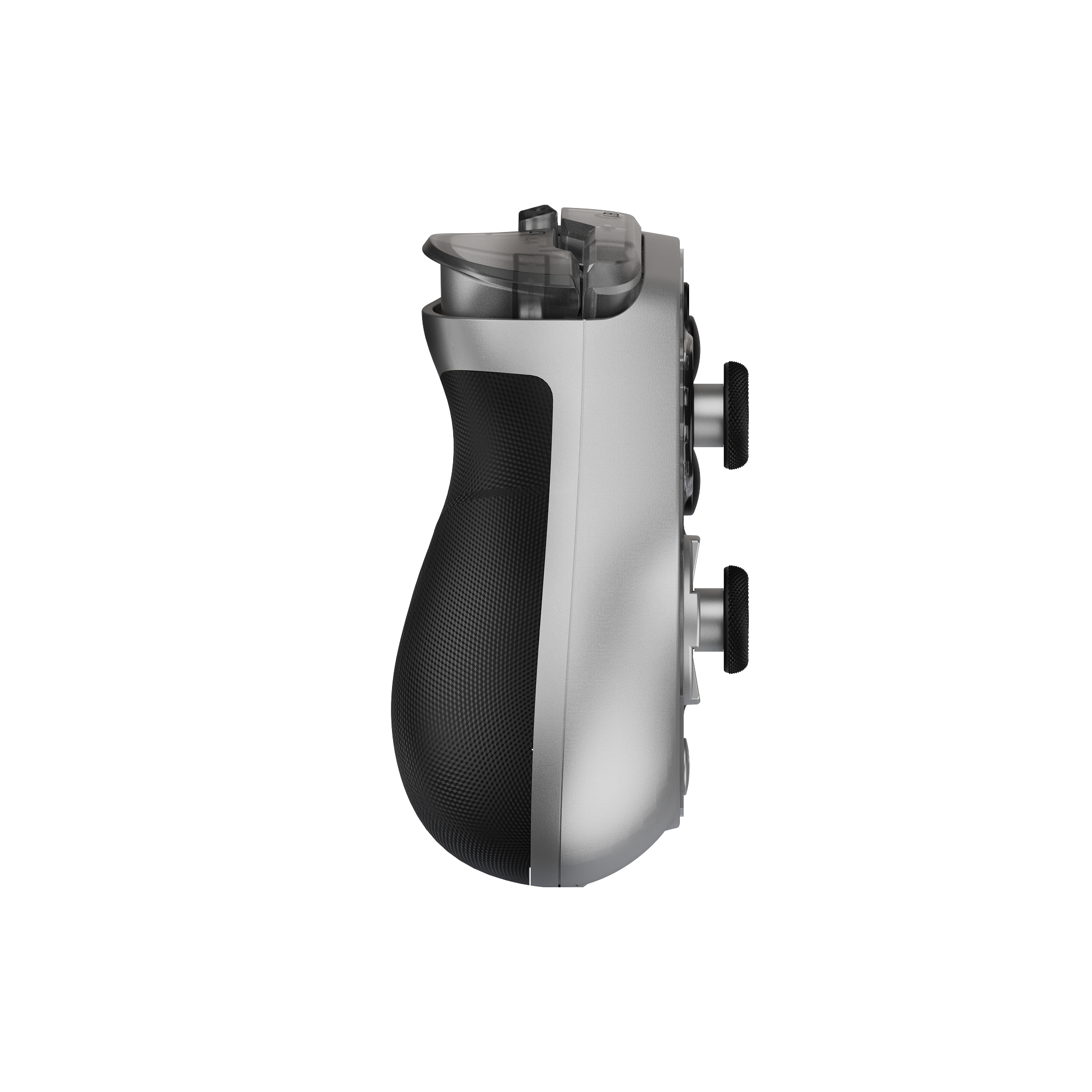
REDMAGIC Shadow Blade Gamepad 3
- Prix habituel
- À partir de €119.00
- Prix de vente
- À partir de €119.00
- Prix habituel
-
€129.00 - Prix unitaire
- par